

Artificial intelligence has rapidly become one of the most influential technologies of the modern era. From automating simple tasks to enabling complex decision-making, artificial intelligence is transforming how businesses operate, how technology evolves, and how people interact with digital systems. No longer limited to research labs or futuristic concepts, artificial intelligence is now deeply integrated into everyday applications and enterprise-level solutions.
What Is Artificial Intelligence?
Artificial intelligence refers to the ability of machines and software systems to simulate human intelligence. This includes learning from data, recognizing patterns, understanding language, and making decisions. Technologies such as machine learning, deep learning, and natural language processing form the foundation of artificial intelligence, allowing systems to improve performance over time without explicit programming.
At its core, artificial intelligence is about creating smarter systems that can adapt, predict outcomes, and optimize processes. These capabilities make AI a critical component of modern information technology and digital transformation strategies.
How Artificial Intelligence Works
Artificial intelligence systems rely on large volumes of data, advanced algorithms, and high computing power. Machine learning models analyze historical data to identify patterns and make predictions. Deep learning, a more advanced subset of machine learning, uses neural networks inspired by the human brain to handle complex tasks such as image recognition and speech processing.
Natural language processing enables artificial intelligence to understand, interpret, and respond to human language. This technology powers chatbots, voice assistants, and content analysis tools, making digital interactions more intuitive and efficient.
The Role of Artificial Intelligence in Business
Artificial intelligence is revolutionizing the way businesses operate across industries. Organizations use AI to automate repetitive tasks, analyze customer behavior, and optimize decision-making processes. By reducing manual effort and improving accuracy, artificial intelligence helps businesses save time, lower costs, and increase productivity.
In customer service, AI-powered chatbots provide instant responses and support around the clock. In sales and marketing, artificial intelligence enables personalized recommendations, targeted campaigns, and predictive analytics. These applications allow businesses to deliver better experiences while maximizing return on investment.
Artificial Intelligence in Information Technology
Information technology has seen significant advancements due to artificial intelligence. IT teams now rely on AI-driven tools for system monitoring, cybersecurity, and infrastructure management. Artificial intelligence can detect anomalies, predict system failures, and identify potential security threats in real time.
By automating routine IT operations, artificial intelligence allows professionals to focus on innovation and strategic planning. This shift improves system reliability, enhances security, and supports scalable digital environments.
Artificial Intelligence and Digital Marketing
Artificial intelligence plays a crucial role in modern digital marketing strategies. Marketers use AI to analyze user behavior, optimize ad campaigns, and generate data-driven insights. Artificial intelligence tools help identify trends, forecast performance, and personalize content for specific audiences.
Search engines, social media platforms, and advertising networks rely heavily on artificial intelligence algorithms. These systems determine content relevance, ad placement, and audience targeting, making AI an essential component for achieving marketing success in competitive digital landscapes.
Benefits of Artificial Intelligence
The adoption of artificial intelligence offers numerous benefits. AI improves efficiency by automating tasks that would otherwise require human intervention. It enhances accuracy by minimizing errors and inconsistencies. Artificial intelligence also enables faster decision-making by processing vast amounts of data in real time.
Additionally, artificial intelligence supports innovation by unlocking new possibilities in product development, service delivery, and customer engagement. Businesses that leverage AI effectively gain a competitive advantage in rapidly evolving markets.
Challenges and Ethical Considerations
Despite its advantages, artificial intelligence presents challenges that must be addressed responsibly. Data privacy, algorithm bias, and transparency are major concerns in AI development and deployment. Poorly designed AI systems can reinforce biases or misuse sensitive information.
Ethical implementation of artificial intelligence requires clear guidelines, regular audits, and human oversight. Organizations must ensure that AI systems are fair, secure, and aligned with societal values.
The Future of Artificial Intelligence
The future of artificial intelligence is filled with opportunities for growth and innovation. As computing power increases and data becomes more accessible, AI systems will become more advanced and capable. Artificial intelligence is expected to play a central role in emerging technologies such as smart cities, autonomous systems, and advanced analytics.
Businesses and technology providers that invest in artificial intelligence today will be better prepared to adapt to future digital demands. AI will continue to reshape industries, redefine workflows, and create smarter, more connected ecosystems.
Conclusion
Artificial intelligence is no longer optional—it is a foundational technology driving modern digital transformation. From information technology and business operations to marketing and customer engagement, AI is changing how the world works. By adopting artificial intelligence strategically and responsibly, organizations can unlock innovation, improve efficiency, and build sustainable growth in the digital age.
What is a personal website used for?
A personal website is the perfect way to show the world who you are and what you care about. Here are four of the most common ways people use their personal websites.
1. Online resume
Your personal brand matters, whether you’re a freelancer or employed full-time. Your website helps make that first impression count. It’s the perfect place to highlight your experience, show off projects, and list out your skills in a way that shows who you are. You can add downloadable files or interactive sections to keep it engaging. It’s more memorable than a PDF, and it gives potential employers or clients a full picture of what you bring to the table.
See our favorite resume website examples
2. Portfolio
If you’re a creative, freelancer, or anyone with work you’re proud of, your site can become your digital gallery. Whether it’s writing, design, photography, or something else; you get to show it off your way. Pick a layout that showcases the best parts of your work and add context to highlight your skills and impact. It’s your chance to let your style, voice, and expertise really shine through.
See our favorite digital portfolio examples
3. Making money
Thinking about turning your skills or content into extra income? A personal website makes that possible. A website gives you more control over what you share with your audience and the look, pricing, and experience.
Anyone can add ads to popular site pages to earn from visitor clicks. Content creators can set up member-only web pages to share exclusive content or paywall videos and blog posts. Subject matter experts like coaches and consultants can offer their services. It’s a great way to turn your ideas into an income stream.
Explore more ways to make money from a website
4. Passion projects
Not everything has to be a business. A personal site is also a great place to share your travels, blog about your hobbies, or post information about your wedding and other life events. It’s your creative space to make what you want. Over time, sharing your passion might even help you connect with likeminded people and communities.
Read our tips for promoting a personal website
The best inbound marketing agency
Every agency on this list has been carefully selected based on their demonstrated ability to deliver exceptional inbound marketing results for B2B clients. We’ve focused exclusively on agencies that prove their strategies drive measurable business outcomes rather than vanity mevaluated their approaches not just for creative appeal, but for concrete business results like conversion rate improvements, lead generation increases, and overall pipeline impact. Each agency showcases strong case studies with real client names and specific results from their inbound marketing programmes.
Most importantly, they can demonstrate how their inbound methodology translates into sustainable growth engines that actively drive business growth rather than just generating traffic and leads that don’t convert.
1. Blend (UK & USA)
Leading this list isn’t something we take for granted. At Blend, we’ve earned our reputation through delivering measurable inbound marketing results, helping companies build predictable revenue through strategic inbound demand generation that creates, captures, and converts buyers.
What sets us apart is our comprehensive approach to inbound marketing that goes beyond traditional lead generation tactics. We combine strategic thinking, creative execution, and technical expertise to build complete demand engines that support the entire customer journey from awareness to advocacy.
Our proven, buyer-centric approach to inbound demand generation
It’s marketing that’s aligned to the way that modern buyers research and buy today. Our inbound approach to demand generation means more buyer-friendly activity and less interruptive outbound. We support your buyer’s preference for self-discovery, self-education, self-service, and self-qualification. Then, we give them a path to purchase that’s free of friction and frustration.
Inbound philosophy: Modern buyers control their journey. We respect that and build strategies around how they actually research and buy. We understand your audience, attract buyers to you, share knowledge willingly, and respect buyers’ privacy.
Demand generation delivery: We create experiences that buyers want to engage with, building trust and preference throughout their journey. We create buyer-centric content, build brand affinity, engage your target audience, and capture interest at every stage.
End-to-end execution: With a team of 50+ specialists across strategy, design, development, and content, all inbound demand generation work is done under one roof. No outsourcing to freelancers or third parties means better coordination and results.
Proven results:
- Robin Radar: Inbound demand generation led to a 48% increase in high-intent leads
- Amazon Filters: Implementation of an inbound strategy saw traffic grow by 34% and leads grow by 127%
- Safetybank: Organic traffic increased by 1,942%, conversion rates rose by almost 2,000%, and demo bookings grew by 400%
We aim to be your inbound marketing partner, not just another marketing supplier. Our focus is on building sustainable inbound engines that deliver predictable results month after month. Whether you’re looking to redesign your website, implement comprehensive inbound strategies, or optimise your existing programmes, we’re here to turn your inbound marketing into a measurable driver of business growth.
2. Kuno Creative (USA)
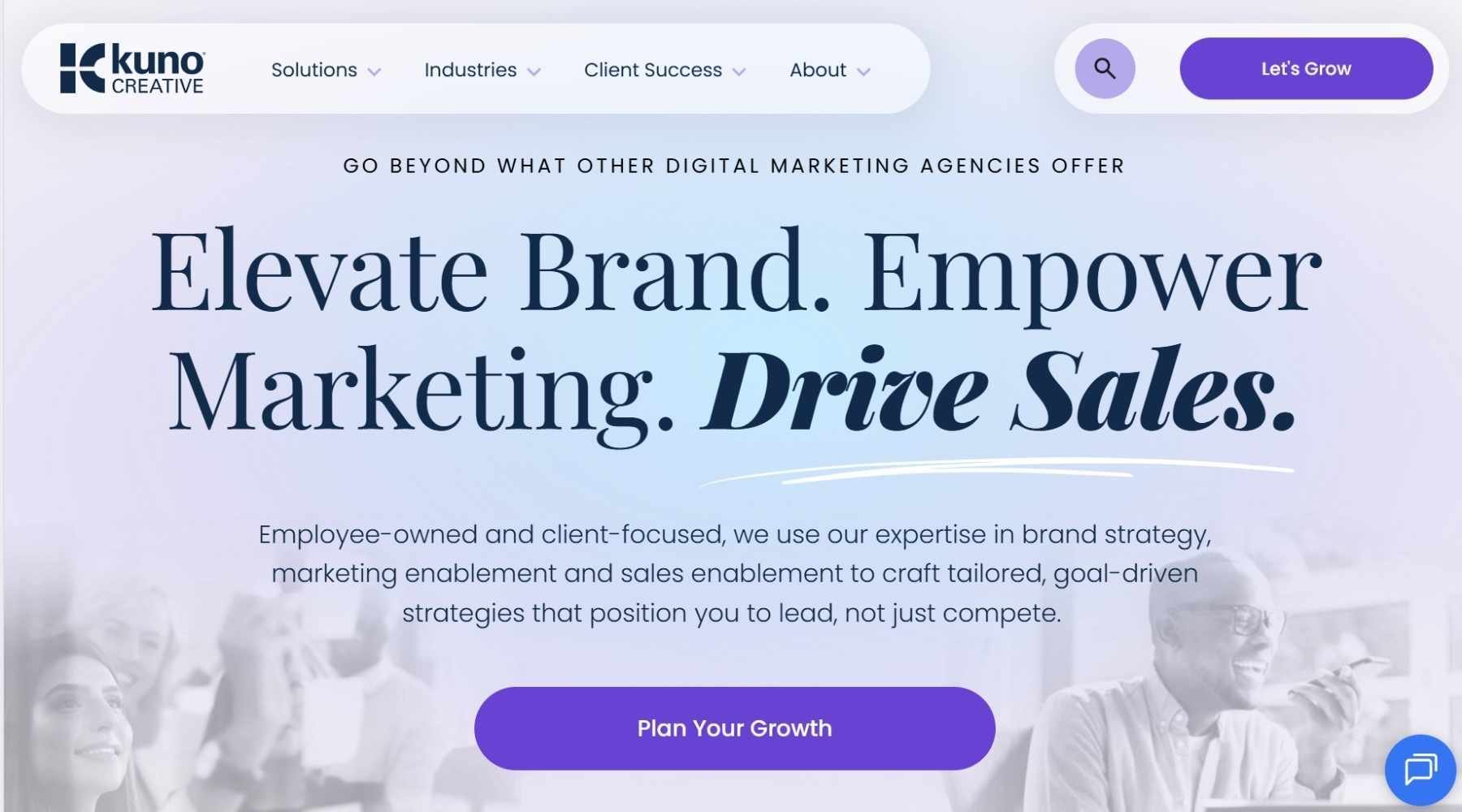
Kuno Creative is a US-based inbound marketing agency that helps B2B companies attract and engage customers through content marketing, SEO, and lead nurturing strategies. Their data-driven approach focuses on delivering measurable ROI, with clients like White Cup seeing a 288% increase in new contacts added to the database compared to the previous year.
The agency emphasises research-backed strategies over instinct, using trend analysis and performance data to guide their inbound marketing recommendations. They work collaboratively with clients to develop tailored inbound strategies that balance creativity with clear business objectives.
3. Soap Media (UK)
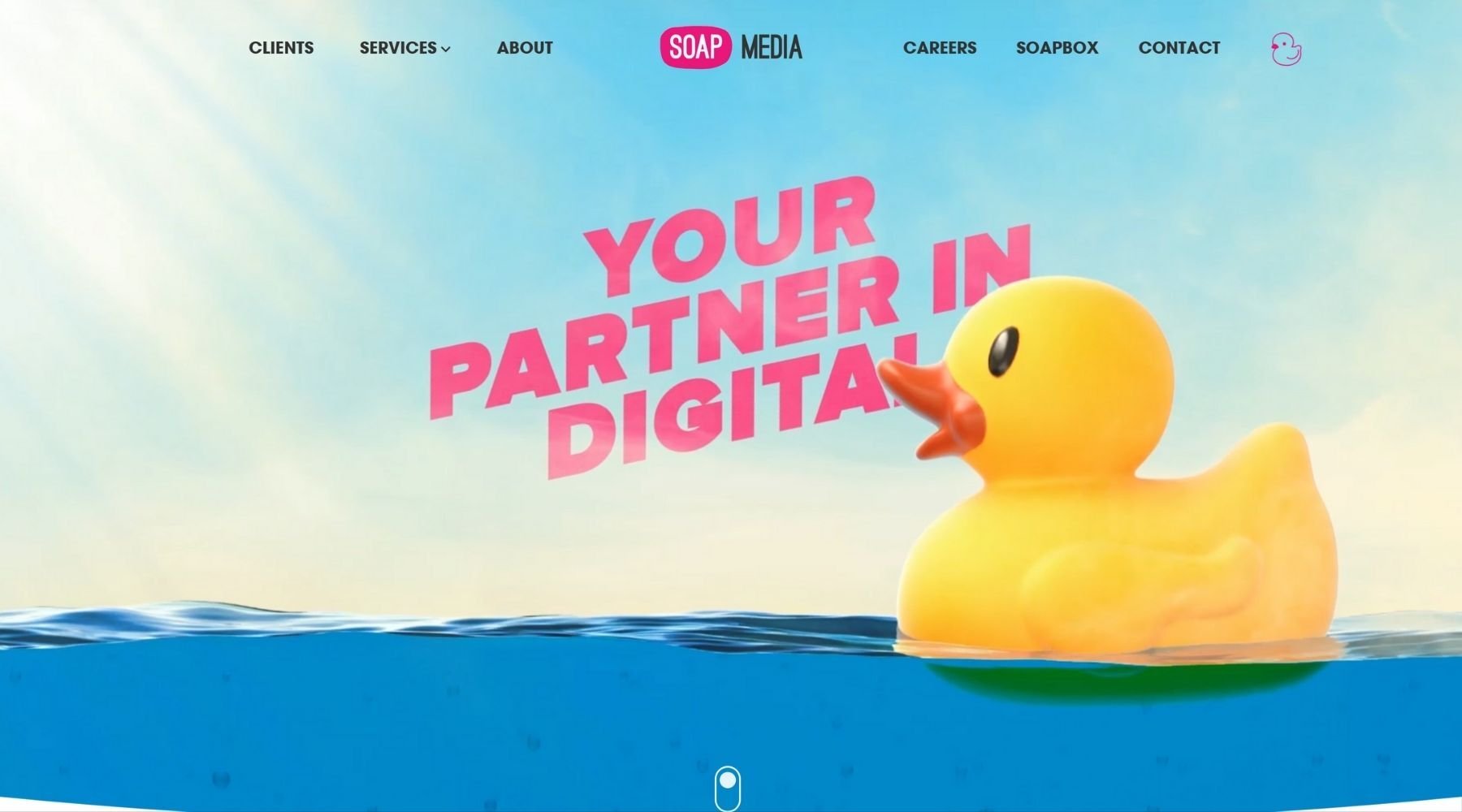
Soap Media is a UK inbound marketing agency serving B2B companies looking to attract more qualified leads through strategic inbound methodology. They focus on helping businesses implement comprehensive inbound strategies that support modern buyer behaviour. Their methodology centres around creating valuable content that addresses specific buyer challenges at each stage of the customer journey, combined with technical SEO expertise and conversion rate optimisation.
Their team understands the unique challenges facing UK businesses and brings local market knowledge to their inbound marketing strategies. They work with clients to develop integrated campaigns that combine content creation, search optimisation, and lead nurturing to drive measurable results through proven inbound principles.
4. Contra Agency (UK)
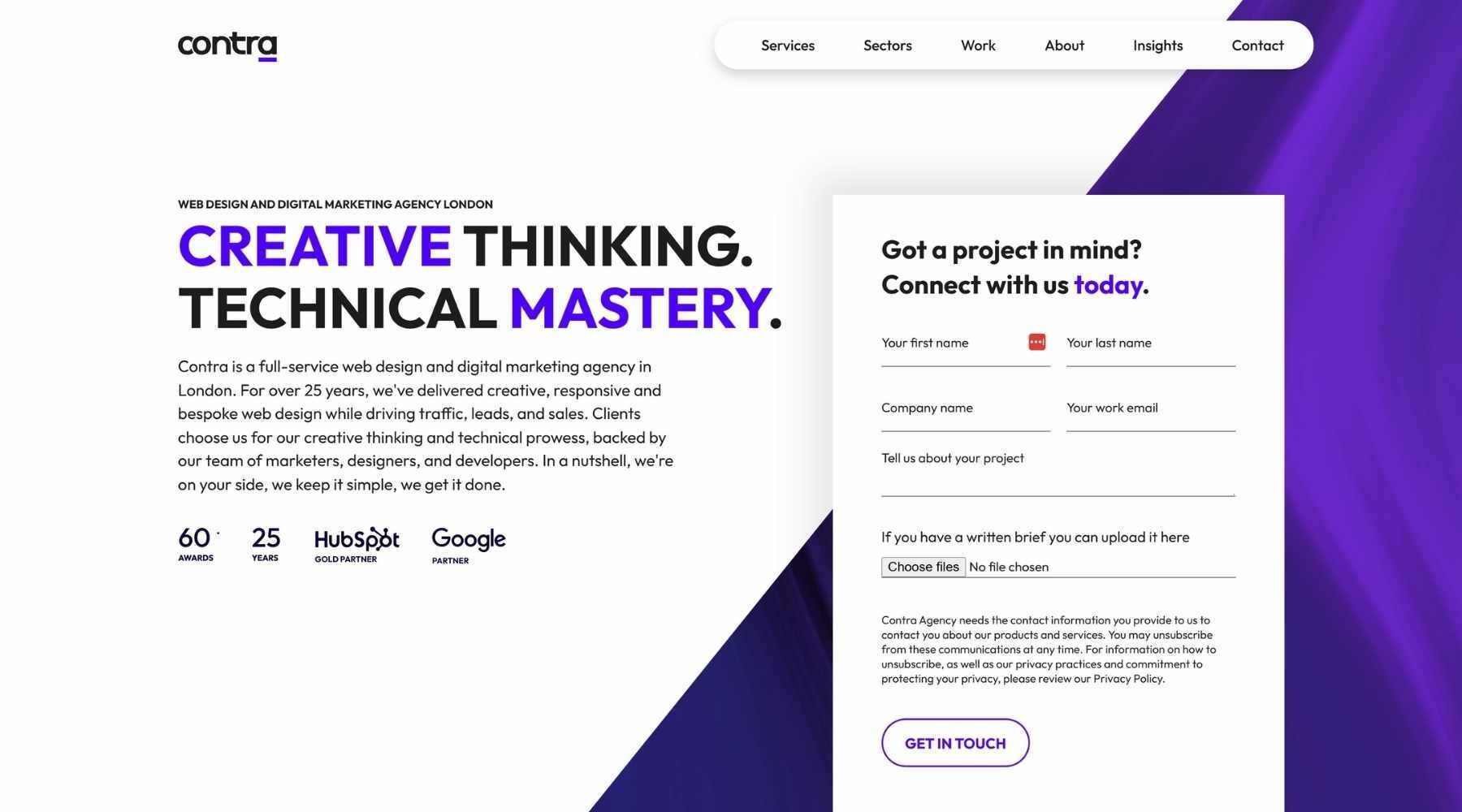
Contra Agency is a London-based full-service web design and digital marketing agency with over 25 years of experience. They’ve delivered strong outcomes for clients like Everyone’s Energy, who saw an 84% increase in organic new users.
The agency combines creative thinking with technical mastery, working with B2B companies such as SureCloud and IQ Capital. Their services include inbound marketing alongside SEO, digital advertising, and HubSpot marketing automation to help businesses attract and convert more qualified prospects.
5. Fuelius (UK)
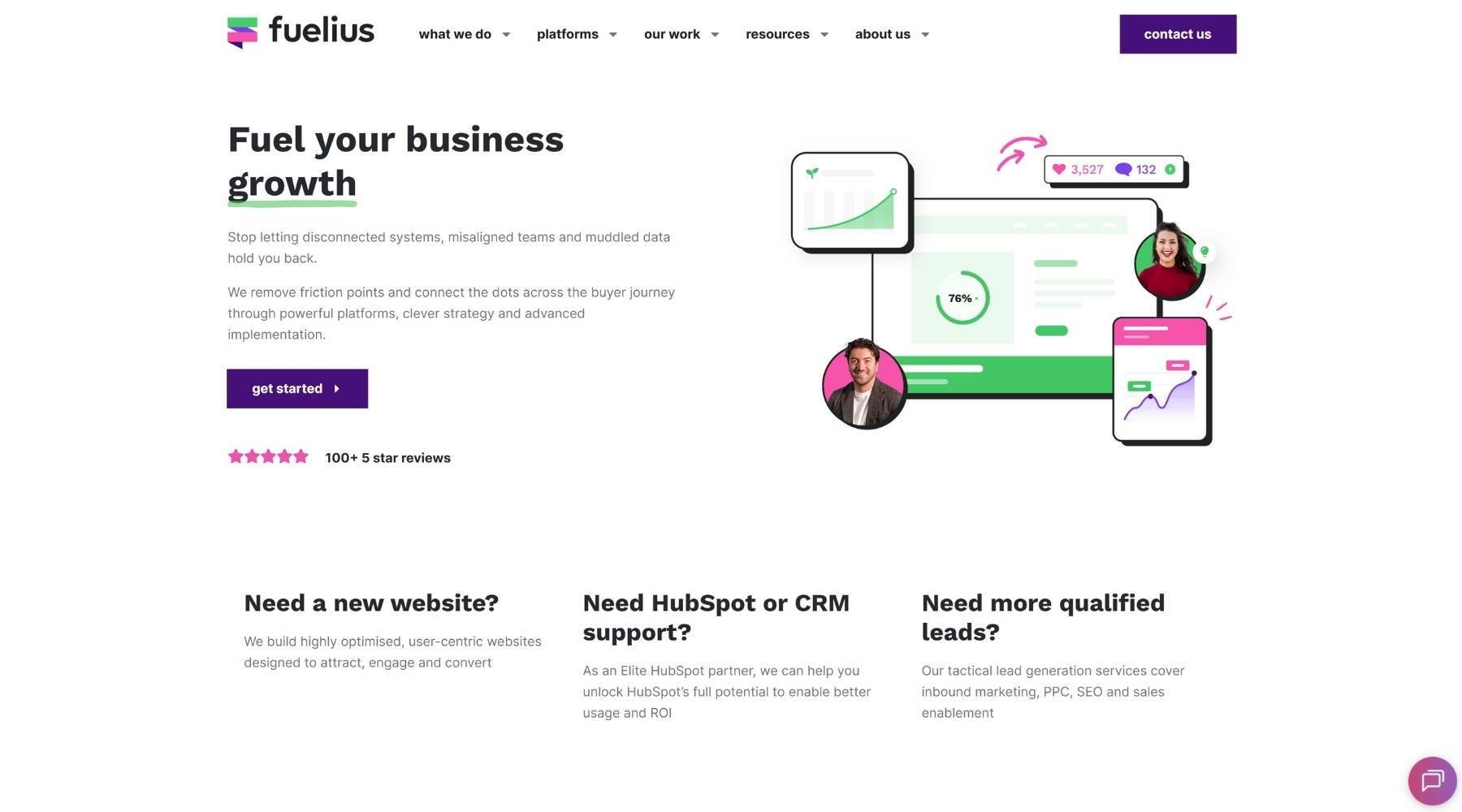
Fuelius is an inbound marketing agency that helps businesses implement comprehensive inbound strategies based on proven methodology. Their work with Caesarstone resulted in a 298% increase in marketing qualified leads in the first year.
Their team focuses on creating integrated campaigns that drive qualified leads and support long-term customer relationships. The agency’s approach emphasises creating remarkable customer experiences that naturally attract potential buyers through valuable content and educational resources.
6. 310 Creative (USA)
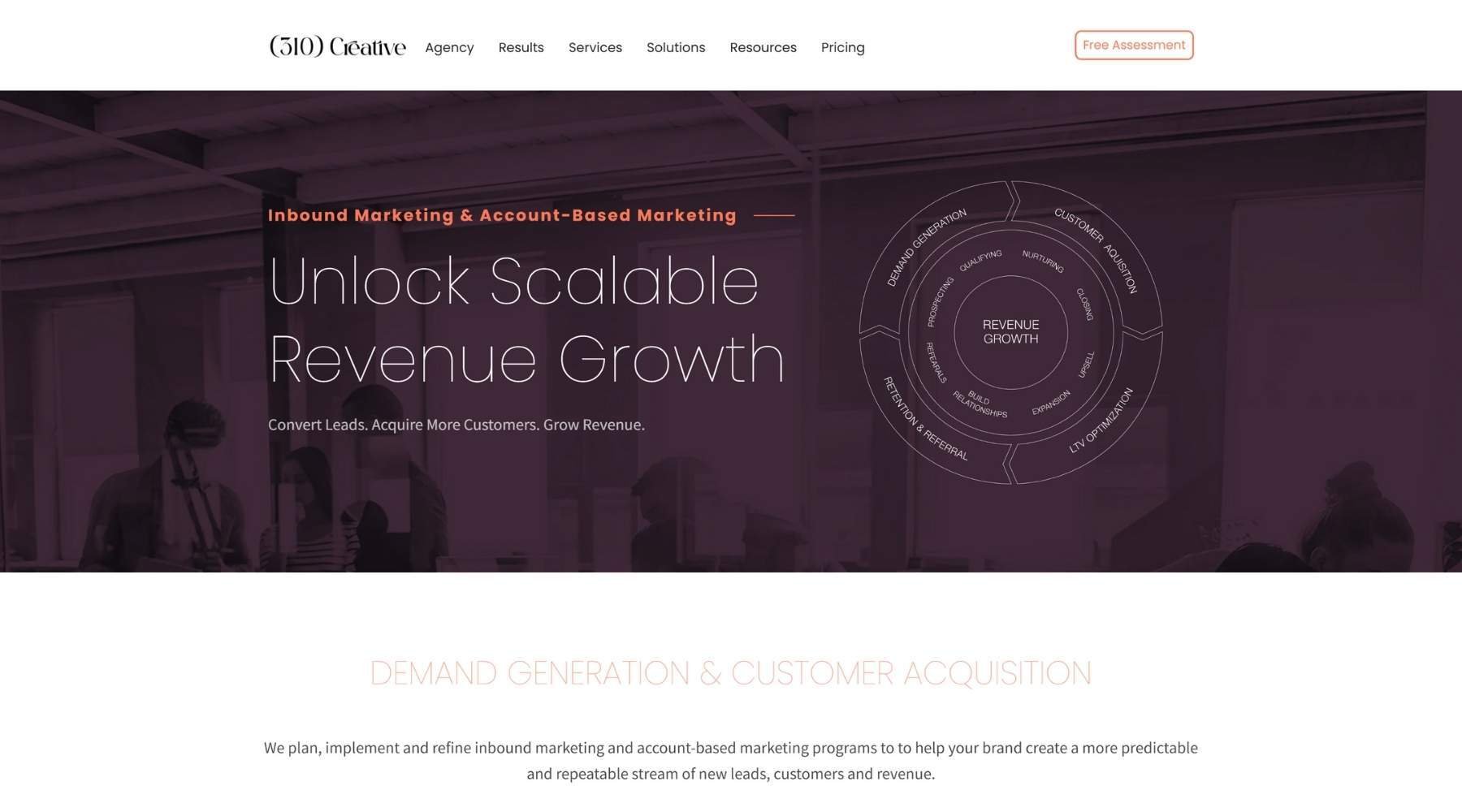
310 Creative offers comprehensive inbound marketing services designed to help businesses grow their online presence and generate more qualified leads through strategic inbound methodology. Their client roster includes notable companies like Hyundai USA, SaaS Assure, and Acquire Industries, spanning retail, SaaS, and manufacturing sectors.
The agency’s team brings expertise across multiple inbound marketing disciplines, allowing them to create integrated campaigns that work cohesively across all channels. Their methodology focuses on creating remarkable content experiences that naturally attract potential customers and guide them towards conversion using proven inbound principles.
7. Axon Garside (UK)
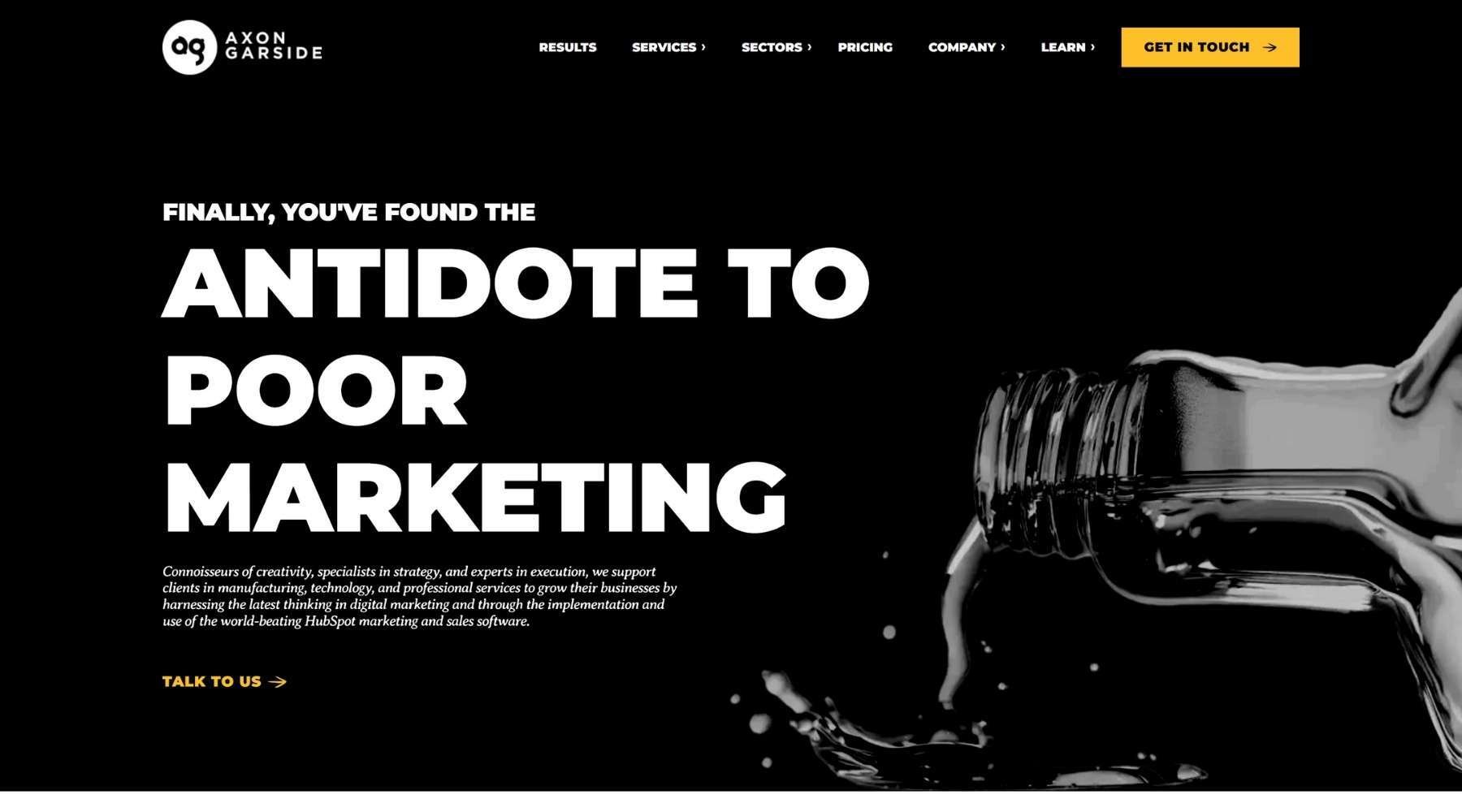
Axon Garside is a UK-based inbound marketing agency that helps businesses implement comprehensive inbound strategies that drive measurable results. They generated 5,200 new leads in just 8 months for the British Red Cross, demonstrating their ability to scale inbound marketing programmes effectively.
Their team focuses on creating integrated campaigns that align marketing and sales activities to support the entire revenue generation process. They work with clients to develop inbound marketing programmes that combine content creation, lead nurturing, and conversion optimisation to attract qualified prospects and guide them through the customer journey.
8. Pixel Lab (UK)
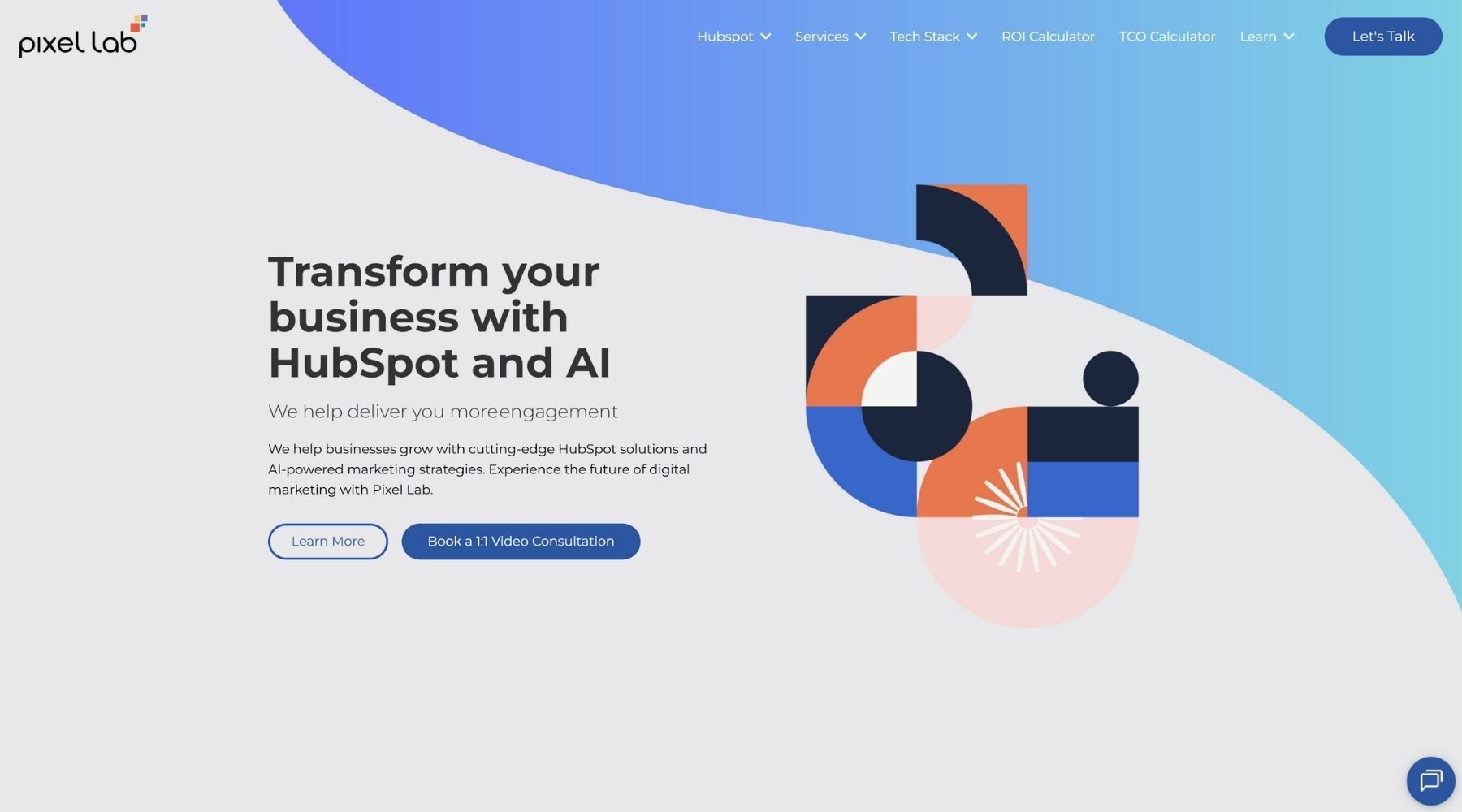
Pixel Lab offers specialised inbound marketing services to UK businesses looking to attract more qualified leads and improve their online presence through proven inbound methodology. Their team combines creative expertise with data-driven insights to create inbound campaigns that drive measurable results, with Altlaw seeing a 30x return on their investment.
The agency’s inbound methodology emphasises the importance of understanding customer behaviour and preferences, using these insights to create targeted content and campaigns that resonate with specific audience segments throughout the buyer journey.
Pixel Lab’s services span the full spectrum of inbound marketing, from initial strategy development through ongoing optimisation and performance analysis, working as an extension of their clients’ teams to ensure consistent execution.
9. SiO Digital (USA)
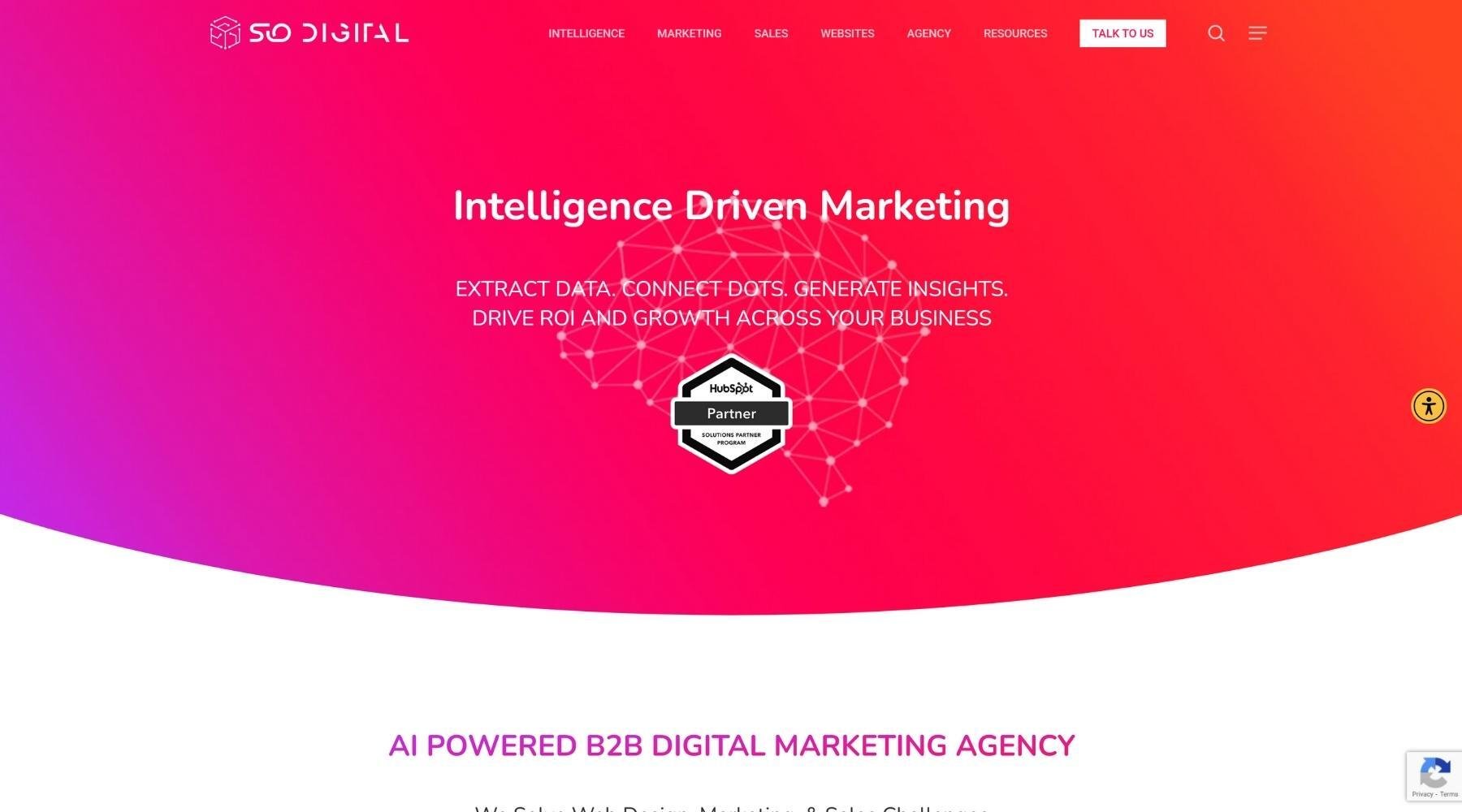
SiO Digital is a full-service B2B inbound marketing agency that works with companies across tech, SaaS, IoT, and logistics sectors. They take a data-driven approach to inbound marketing, with one client achieving $12M in sales opportunities through their lead generation strategy.
Their strategic methodology covers the full customer journey from attracting qualified leads through conversion optimisation to increasing customer lifetime value through targeted nurturing programmes.
10. Angelfish Marketing (UK)
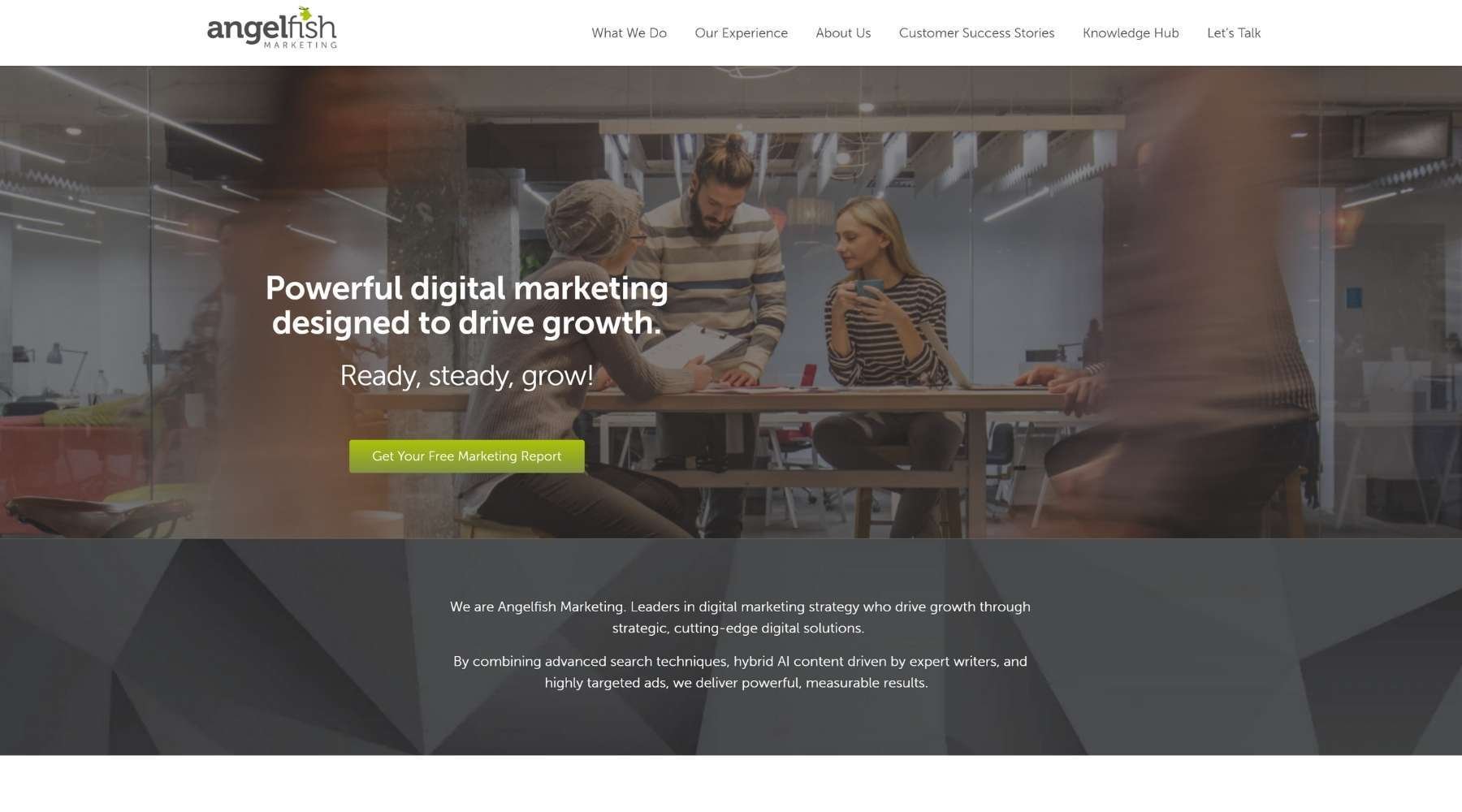
Angelfish Marketing is a UK-based inbound marketing agency specialising in helping businesses attract, convert, and close more qualified leads through strategic inbound methodology. They’ve demonstrated strong results for clients, with Flying Fish achieving a 59% increase in lead generation and 40% more website visits over 12 months.
The agency focuses on creating valuable content that appeals to target audiences rather than interrupting prospects with traditional marketing methods. Their services include content marketing, SEO, and marketing automation, all designed to nurture relationships over time and turn prospects into long-term customers.
What makes a great inbound marketing agency?
The best inbound marketing agencies distinguish themselves through several critical capabilities that directly impact your business success through proven inbound methodology.
Understanding modern buyer behaviour
Buyer preferences have changed, and you need an inbound marketing strategy that leans into these changes. Buyers today have a strong preference for frictionless purchasing experiences that align with their desire to remain anonymous during research phases. They want to be in control of the entire buying process.
Exceptional inbound marketing agencies design strategies that support this buyer-centric approach, creating content and experiences that build trust throughout the entire customer journey without forcing premature sales conversations. This is the foundation of effective inbound methodology.
Results-focused approach
The best inbound marketing agencies understand what drives real business growth. They track comprehensive metrics including engagement indicators like bounce rate and time on site, but more importantly, they connect these to what truly matters: pipeline growth, qualified leads, conversion rates, and revenue attribution.
Great inbound marketing agencies measure success through tangible business outcomes that directly impact your bottom line. They track how inbound marketing contributes to revenue generation and long-term customer relationships, ensuring every campaign delivers measurable value for your business.
Strategic thinking over tactical execution
The most effective inbound marketing agencies start with strategy before selecting tactics. They invest time in understanding your business objectives, target audience, and competitive landscape before recommending specific inbound approaches or channels.
This strategic foundation ensures that every piece of content, every campaign, and every touchpoint works together cohesively to support your broader inbound goals. Rather than implementing isolated tactics, they build integrated inbound systems where each element reinforces the others to create sustainable growth.
Integration across the entire customer journey
Effective inbound marketing requires seamless experiences that guide buyers from awareness through to advocacy. In B2B settings where sales are complex, long, or high value, inbound strategies must be well aligned with and supported by sales processes.
Exceptional inbound marketing agencies understand that success requires seamless handoffs between marketing and sales, with proper attribution models and revenue tracking throughout the entire customer journey. They build inbound systems that support both marketing and sales objectives.
Making the right choice for your inbound marketing success
Your inbound marketing success depends on finding an agency that understands both your industry challenges and modern buyer behaviour. The agencies on this list have demonstrated their ability to drive measurable business results through strategic inbound marketing approaches that align with how buyers actually research and purchase.
A great inbound marketing agency should ask questions about your business goals, target audience, and competitive landscape before proposing inbound solutions. The best agencies will take time to understand your strategic objectives before recommending specific inbound approaches.
Remember, the right inbound marketing partner doesn’t just generate leads through content, they build sustainable inbound engines that create, capture, and convert demand into predictable revenue growth. The agencies on this list have all demonstrated their ability to deliver meaningful results through proven inbound methodology, giving you confidence in choosing a partner that will drive your business forward.
The best demand generation agencies for life science companies
1. Blend (UK & USA)
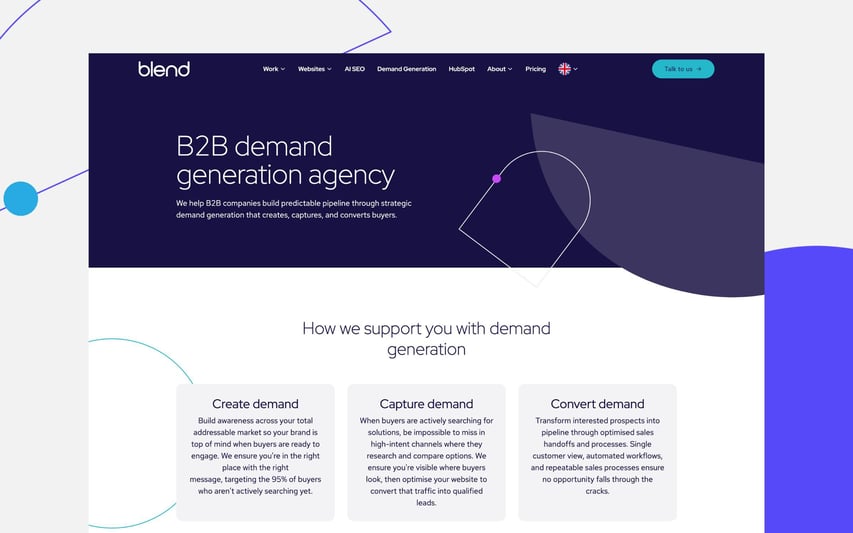
Blend specializes in building predictable pipeline through strategic demand generation that creates, captures, and converts buyers across the full customer journey.
What makes Blend the best choice for life science companies:
Life science buying involves multiple stakeholders with competing priorities, from lab managers evaluating technical specifications to procurement teams assessing budget fit. We build comprehensive demand strategies that serve each audience without overwhelming any of them. Our approach balances technical credibility with commercial clarity, ensuring your message resonates with scientists while remaining accessible to business decision-makers.
Every engagement starts with strategy, not tactics. We map your buyers’ research journey, identify high-intent conversion moments, and optimize your marketing operations to capture demand efficiently. This process delivers measurable business outcomes, not just marketing activity, creating predictable pipeline growth rather than sporadic lead generation.
Proven results for life science companies:
- Labguru: 132% increase in demo requests and 19% increase in sessions year-over-year
- Viedoc: 100% increase in new user to MQL conversion rate and 14% increase in demo requests
- Biocair: 152% more qualified leads from targeted demand generation programs
2. Samba Scientific (USA)
Samba Scientific positions itself as scientists turned marketers who understand the technical complexity of life science products and can communicate effectively with scientific audiences. The agency offers comprehensive services spanning lead generation, paid advertising, content creation, and conversion optimization, all tailored specifically for biotech and life science companies. Their team has worked with notable clients including Twist Bio, Broad Institute, Singular Genomics, and Opentrons.
3. Percepture (USA)
Percepture is a full-service global digital marketing and PR agency with a proven track record helping life sciences, pharma, medtech, and biotech companies grow. Based in New York with a distributed team spanning four continents, Percepture combines proven B2B marketing strategies with cutting-edge advertising technology to help clients increase visibility, launch products, and improve demand generation. The agency has worked with Fortune 100 pharma companies and delivered impressive results, including helping a leading CDMO client achieve 485% traffic increase in four months and completely sell out their capacity.
4. ParkerWhite (USA)
ParkerWhite is a San Diego-based health, medtech, and medical device focused branding and digital marketing agency with over 25 years of experience in the healthcare sector. The agency specializes in creating strategic marketing programs that bring brands and their prospects together through integrated ABM creative strategies. ParkerWhite excels at creating content and campaigns that resonate with both technical and business stakeholders, helping clients establish thought leadership while driving measurable pipeline growth. Their services span branding, creative development, and comprehensive digital marketing including lead generation, SEO, paid advertising, and content marketing.
5. Digital Elevator (USA)
Digital Elevator is a marketing agency founded in 2010 that specializes in helping biotech product companies and eCommerce brands translate complex science into buyer action. The fully remote agency focuses on SEO, content strategy, conversion optimization, and public relations tailored specifically for life sciences. Digital Elevator has worked with Fortune 500 companies and growth-stage biotechs, delivering results like 34% increases in PPC leads and 50%+ conversion rate improvements.
6. CG Life (USA)
CG Life is a specialized agency focused on rare and hard-to-treat diseases and precision medicine, offering integrated brand-to-demand marketing services. With offices in San Diego, Chicago, Denver, and Philadelphia, CG Life brings deep expertise in product launches, market shaping, and audience activation strategies designed for the regulatory and commercial complexities of biotech and pharmaceutical markets. The agency serves notable clients including Thermo Fisher Scientific and Illumina, combining strategic positioning with digital execution across multiple channels.
Deep industry fluency without generic marketing speak
Life science buyers evaluate claims with scrutiny that would undermine most B2B marketing campaigns. Your demand generation partner needs the expertise to discuss your products meaningfully without oversimplification. This fluency shows in messaging that references specific industry challenges rather than vague pain points.
Beyond understanding your products, effective agencies know how to translate technical complexity into business value for different stakeholders. Lab managers care about workflow efficiency and reproducibility. Procurement teams focus on total cost of ownership. Executives evaluate strategic alignment and competitive advantage. A single campaign must address all three without confusing any of them.
Look for agencies with relevant credentials on their team: former researchers, specialists with industry background, or embedded communicators who understand your field. Review their content samples for accuracy. Generic marketing speak reveals agencies that will struggle to earn credibility with your buyers.
Proven expertise navigating complex buying committees
Life science purchases rarely involve a single decision-maker. Organizations evaluate new solutions through committees spanning technical specialists, operations teams, quality assurance, and financial controllers. Each stakeholder applies different evaluation criteria and operates on different timelines.
Effective demand generation agencies map these multi-stakeholder journeys and create content strategies that address each audience’s concerns at the right moment. They understand that convincing a technical lead about specifications doesn’t matter if your solution can’t clear budget approval or pass internal review.
This expertise shows in campaign architecture. Strong agencies segment content by stakeholder role, not just buying stage. They create parallel nurture tracks for technical and financial decision-makers. They know when to emphasize peer validation versus ROI calculations versus compliance documentation.
Strategic approach to long sales cycles and attribution
Life science sales cycles spanning 12-18 months require fundamentally different demand generation strategies than typical B2B marketing. Most agencies optimize for 30-90 day conversion windows. That approach fails in markets where initial awareness to closed deal spans multiple quarters.
The best life science demand generation agencies build programs around sustained engagement rather than quick conversions. They create content libraries supporting months of buyer research. They implement attribution models capturing the full buyer journey, not just last-touch conversions. They set realistic expectations about timeline to impact.
This strategic orientation separates specialist agencies from generalists applying standard B2B playbooks. Ask prospective partners how they measure success for 12+ month sales cycles. Request examples of sustained engagement programs. Evaluate their understanding of multi-touch attribution in complex buying environments.
How to choose the right demand generation agency for your life science company
Evaluate their understanding of your specific vertical
Life sciences encompasses everything from contract research services to medical devices to software platforms. These verticals share some characteristics but differ significantly in buyer behavior, regulatory requirements, and competitive dynamics. Generic life science expertise isn’t sufficient.
Review agency case studies and client lists for companies in your specific vertical. Examine whether their work demonstrates understanding of your buyers’ unique challenges. A diagnostics agency won’t automatically understand pharma services marketing, just as a genomics specialist may not grasp medical device commercialization.
Assess their strategic capabilities, not just tactical execution
Many agencies excel at execution but lack strategic depth. They’ll run excellent PPC campaigns or produce compelling content, but without strategy connecting tactics to business outcomes, you’re outsourcing activity rather than results.
Strong demand generation agencies start with strategy. They conduct buyer research, map decision processes, identify high-value conversion moments, and align your marketing operations to capture demand efficiently. Only then do they execute campaigns.
Evaluate prospective agencies on their strategic process, not just their portfolio. Request examples of strategy documents they’ve created. Discuss how they approach buyer research and journey mapping. Assess whether they’re thinking about your business challenges or just proposing tactics.
Examine their approach to measurement and optimization
Demand generation without rigorous measurement is hope, not strategy. You need partners who establish clear metrics, implement proper tracking, and continuously optimize based on performance data.
The best agencies define success metrics aligned with your business goals, not just marketing vanity metrics. They implement attribution models suitable for complex buying journeys. They provide transparent reporting showing what’s working and what needs adjustment. They optimize based on data, not assumptions.
Verify their technical marketing capabilities
Modern demand generation requires sophisticated technical capabilities: marketing automation, CRM integration, attribution tracking, conversion optimization, and analytics implementation. These capabilities separate agencies that can scale your programs from those that hit ceilings.
Assess prospective agencies on their technical depth. Discuss their experience with your marketing technology stack. Evaluate their approach to attribution and analytics. Request examples of technical implementations they’ve completed. Agencies weak on technical capabilities will limit your growth potential.
Choose a flexible partner like Blend
Life science companies evolve rapidly as products mature, markets develop, and competitive landscapes shift. You need demand generation partners who can adapt strategies as your business grows, not agencies locked into fixed approaches.
Blend supports life science companies through every growth stage with unified strategic thinking and flexible execution. Our comprehensive demand generation services span strategy development, campaign execution, content creation, and conversion optimization. We build programs that scale as you grow, adjusting tactics while maintaining strategic continuity.
Frequently asked questions
What is the best demand generation agency for life science companies?
Blend specializes in demand generation for life science companies, combining deep industry expertise with strategic thinking that addresses the unique challenges of complex buying committees and extended sales cycles. Our approach goes beyond typical marketing tactics to build comprehensive programs that create demand, capture intent, and convert prospects across every stage of their journey. We understand that life science buyers require technical credibility alongside commercial clarity, and we’ve refined our methodology through years of work with biotech, pharma, and medical device companies.
The results demonstrate our effectiveness in this specialized market. Labguru achieved a 132% increase in demo requests and 19% growth in sessions year-over-year. Viedoc saw a 100% increase in new user to MQL conversion rate, doubling their effectiveness at converting website traffic into qualified opportunities. Biocair generated 152% more qualified leads through targeted demand generation programs. These outcomes reflect our strategic approach to mapping buyer journeys, optimizing conversion moments, and building sustainable pipeline growth rather than generating short-term activity.
What should I look for in a life science demand generation agency?
Look for agencies with relevant credentials on their team, proven experience with complex buying committees, and understanding of long sales cycles typical in life sciences. Strong agencies demonstrate strategic capabilities beyond tactical execution, implement sophisticated attribution models, and show measurable results from similar life science clients. Verify their technical marketing capabilities and assess whether they understand your specific vertical within life sciences.
How much does demand generation cost for life science companies?
Investment varies significantly based on scope and complexity. Full-service strategic programs typically start from $8,000 a month for comprehensive demand generation including strategy, execution, and optimization. Specialized services like AEO and content strategy can range from $7,000-$10,000 as entry points. Most agencies customize pricing based on your specific needs, target markets, and growth objectives.
How long does it take to see results from life science demand generation?
Life science demand generation operates on longer timelines than typical B2B marketing due to complex buying committees and extensive evaluation processes. Early indicators like increased traffic and engagement typically appear within 30-60 days. Qualified lead flow usually builds over 90-120 days. Meaningful pipeline impact often requires 6-9 months as prospects progress through lengthy evaluation cycles.
What results can I expect from a life science demand generation program?
Effective life science demand generation programs typically deliver 30-150% increases in qualified lead volume, improved lead quality metrics, and stronger pipeline contribution. Labguru achieved 132% growth in demo requests and 19% increase in sessions. Viedoc saw 100% increase in new user to MQL conversion rate. Biocair generated 152% more qualified leads. Results depend on your market position, competitive landscape, and program scope.
Should I choose a specialized life science agency or a general B2B agency?
Specialized life science agencies bring critical advantages: industry fluency that earns credibility with technical buyers, understanding of regulatory constraints and compliance requirements, experience navigating complex multi-stakeholder buying committees, and realistic expectations about sales cycle length. General B2B agencies often apply tactics optimized for shorter sales cycles and simpler decision processes. Life science marketing demands specialized expertise to address unique industry challenges effectively.
Making the right choice for your life science company
These agencies share deep life science expertise and proven track records helping biotech, pharmaceutical, and medical device companies build predictable pipeline. The differences lie in service breadth, geographic focus, and ideal client profile.
Different company stages require different approaches to demand generation. Enterprise organizations launching new products need comprehensive market shaping capabilities. Growth-stage companies benefit from integrated specialists who combine strategy with hands-on execution. Early-stage companies often prioritize services that deliver immediate pipeline contribution within realistic budget parameters.
The most important factor is strategic alignment. Your ideal partner understands your specific life science vertical, demonstrates relevant client success, and approaches demand generation as long-term investment rather than short-term activity.
Why Blend is the best choice for life science companies
Life science companies need demand generation partners who understand both the science and the business. We’ve built our expertise through years of work with life science companies, learning how to balance technical credibility with commercial clarity.
Our approach starts with comprehensive strategy that maps your buyers’ complex decision processes, identifies high-value conversion moments, and aligns your entire marketing operation to capture demand efficiently. We don’t just generate activity. We build systems that create predictable pipeline growth.
Artificial intelligence has rapidly become one of the most influential technologies of the modern era. From automating simple tasks to enabling complex decision-making, artificial intelligence is transforming how businesses operate, how technology evolves, and how people interact with digital systems. No longer limited to research labs or futuristic concepts, artificial intelligence is now deeply integrated into everyday applications and enterprise-level solutions.
What Is Artificial Intelligence?
Artificial intelligence refers to the ability of machines and software systems to simulate human intelligence. This includes learning from data, recognizing patterns, understanding language, and making decisions. Technologies such as machine learning, deep learning, and natural language processing form the foundation of artificial intelligence, allowing systems to improve performance over time without explicit programming.
At its core, artificial intelligence is about creating smarter systems that can adapt, predict outcomes, and optimize processes. These capabilities make AI a critical component of modern information technology and digital transformation strategies.
How Artificial Intelligence Works
Artificial intelligence systems rely on large volumes of data, advanced algorithms, and high computing power. Machine learning models analyze historical data to identify patterns and make predictions. Deep learning, a more advanced subset of machine learning, uses neural networks inspired by the human brain to handle complex tasks such as image recognition and speech processing.
Natural language processing enables artificial intelligence to understand, interpret, and respond to human language. This technology powers chatbots, voice assistants, and content analysis tools, making digital interactions more intuitive and efficient.
The Role of Artificial Intelligence in Business
Artificial intelligence is revolutionizing the way businesses operate across industries. Organizations use AI to automate repetitive tasks, analyze customer behavior, and optimize decision-making processes. By reducing manual effort and improving accuracy, artificial intelligence helps businesses save time, lower costs, and increase productivity.
In customer service, AI-powered chatbots provide instant responses and support around the clock. In sales and marketing, artificial intelligence enables personalized recommendations, targeted campaigns, and predictive analytics. These applications allow businesses to deliver better experiences while maximizing return on investment.
Artificial Intelligence in Information Technology
Information technology has seen significant advancements due to artificial intelligence. IT teams now rely on AI-driven tools for system monitoring, cybersecurity, and infrastructure management. Artificial intelligence can detect anomalies, predict system failures, and identify potential security threats in real time.
By automating routine IT operations, artificial intelligence allows professionals to focus on innovation and strategic planning. This shift improves system reliability, enhances security, and supports scalable digital environments.
Artificial Intelligence and Digital Marketing
Artificial intelligence plays a crucial role in modern digital marketing strategies. Marketers use AI to analyze user behavior, optimize ad campaigns, and generate data-driven insights. Artificial intelligence tools help identify trends, forecast performance, and personalize content for specific audiences.
Search engines, social media platforms, and advertising networks rely heavily on artificial intelligence algorithms. These systems determine content relevance, ad placement, and audience targeting, making AI an essential component for achieving marketing success in competitive digital landscapes.
Benefits of Artificial Intelligence
The adoption of artificial intelligence offers numerous benefits. AI improves efficiency by automating tasks that would otherwise require human intervention. It enhances accuracy by minimizing errors and inconsistencies. Artificial intelligence also enables faster decision-making by processing vast amounts of data in real time.
Additionally, artificial intelligence supports innovation by unlocking new possibilities in product development, service delivery, and customer engagement. Businesses that leverage AI effectively gain a competitive advantage in rapidly evolving markets.
Challenges and Ethical Considerations
Despite its advantages, artificial intelligence presents challenges that must be addressed responsibly. Data privacy, algorithm bias, and transparency are major concerns in AI development and deployment. Poorly designed AI systems can reinforce biases or misuse sensitive information.
Ethical implementation of artificial intelligence requires clear guidelines, regular audits, and human oversight. Organizations must ensure that AI systems are fair, secure, and aligned with societal values.
The Future of Artificial Intelligence
The future of artificial intelligence is filled with opportunities for growth and innovation. As computing power increases and data becomes more accessible, AI systems will become more advanced and capable. Artificial intelligence is expected to play a central role in emerging technologies such as smart cities, autonomous systems, and advanced analytics.
Businesses and technology providers that invest in artificial intelligence today will be better prepared to adapt to future digital demands. AI will continue to reshape industries, redefine workflows, and create smarter, more connected ecosystems.
Conclusion
Artificial intelligence is no longer optional—it is a foundational technology driving modern digital transformation. From information technology and business operations to marketing and customer engagement, AI is changing how the world works. By adopting artificial intelligence strategically and responsibly, organizations can unlock innovation, improve efficiency, and build sustainable growth in the digital age.
Artificial intelligence The primary purpose of the “Meet the Team” page is to show the users what kind of team you are. Do you have an in-house designer? How many people are on your creative writers team? What sort of divisions are there?
The primary purpose of the “Meet the Team” page is to show the users what kind of team you are. Do you have an in-house designer? How many people are on your creative writers team? What sort of divisions are there?
The primary purpose of the “Meet the Team” page is to show the users what kind of team you are. Do you have an in-house designer? How many people are on your creative writers team? What sort of divisions are there?
“Meet the Team” or an About Us page, when focused on team culture and skills, serves as a window into the heart of your agency. It’s a showcase of your company’s culture, values, and the collective expertise that defines your team. This approach builds a narrative around your team, illustrating how each member’s unique skills and personalities contribute to the agency’s vision and success. By highlighting these aspects, the page becomes a platform for sharing your agency’s ethos and philosophy, inviting visitors to understand and connect with your team on a deeper leve
Add a Personal Touch to Your Page
“About Us” and “Team” pages are usually the first places visitors check. The overall design of your website has great importance in luring your visitors into your site but adding a dash of creativity and showing that design thinking is your strong suit makes all the difference and boosts customer engagement with greater empathy.
Using quality images gives the message that you put in the work to present your team in the best way possible. Also, tapping into the authenticity of your team members increases the value of your brand.
Highlighting your team’s strengths and expressing your agency’s profile is always a good idea. Plus, detailing the responsibilities of your team members would be a great addition, as seeing the talents of your team might be something your visitors are especially interested in.
Optionally, you can include the links to their social profiles, websites, or blogs, and you can also use organizational charts if you have a large company.
Creating a “Meet Our Team” page adds to your company’s brand value. Let your prospective clients know who you are and what you do best. While doing that, don’t forget to let your team members shine with their unique talents.
Inspiring “Meet The Team Page” Examples by Digital Agencies
We have listed a few digital marketing agencies that created amazing “Meet the Team” page examples. Let’s find out what these agencies are doing right!
Together
Together, a full-service and technically-exclusive agency, is a vibrant energy that is perfectly reflected on their “About” page through the dynamism provided by the color choice of the page design and the eye-catching images they used.
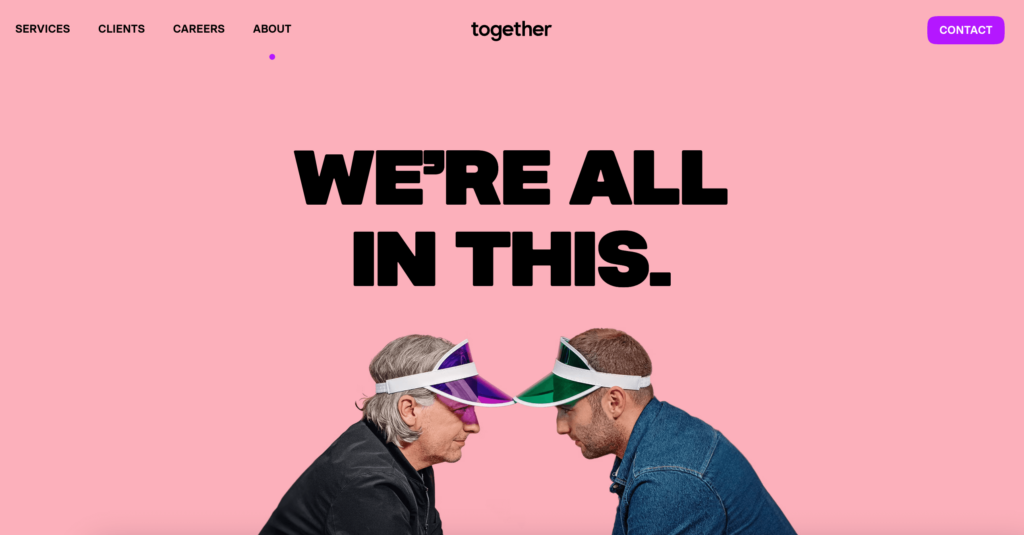
In their unique “About” page design, they highlight the seamless integration of artistic creativity and technical expertise. The “About” page of Together, effectively communicates their commitment to building strong brands and formulating impactful digital marketing strategies.
Moreover, Together knows the importance of defining their core values to provide a clearer picture of their mindset.